

MAKE
Start with a
classic miso.
Pick rice or barley miso, choose your koji ratio and batch size, and the recipe falls into place. Everything you need is in one list.
Make a classic miso (in Japanese)→FERMENTATION INTELLIGENCE
Hakkoh-chan connects your data and your senses, and keeps you company while you make.


Temperature, days, photographs, aroma. From your everyday notes, Hakkoh-chan works out where the ferment stands — and instead of declaring a verdict, quietly hands you a way to see it.

There is texture that calculation cannot capture, and change that the senses alone will miss. Hakkoh-chan stands in between, linking what you notice to what is known about fermentation.

Hakkoh-chan is still learning too. Batch by batch, conversation by conversation, it is growing into a guide you can rely on.
01 FERMENTATION INTELLIGENCE
Plan the batch, watch it change, and eat it at its best.
A whole fermentation, held in your phone.
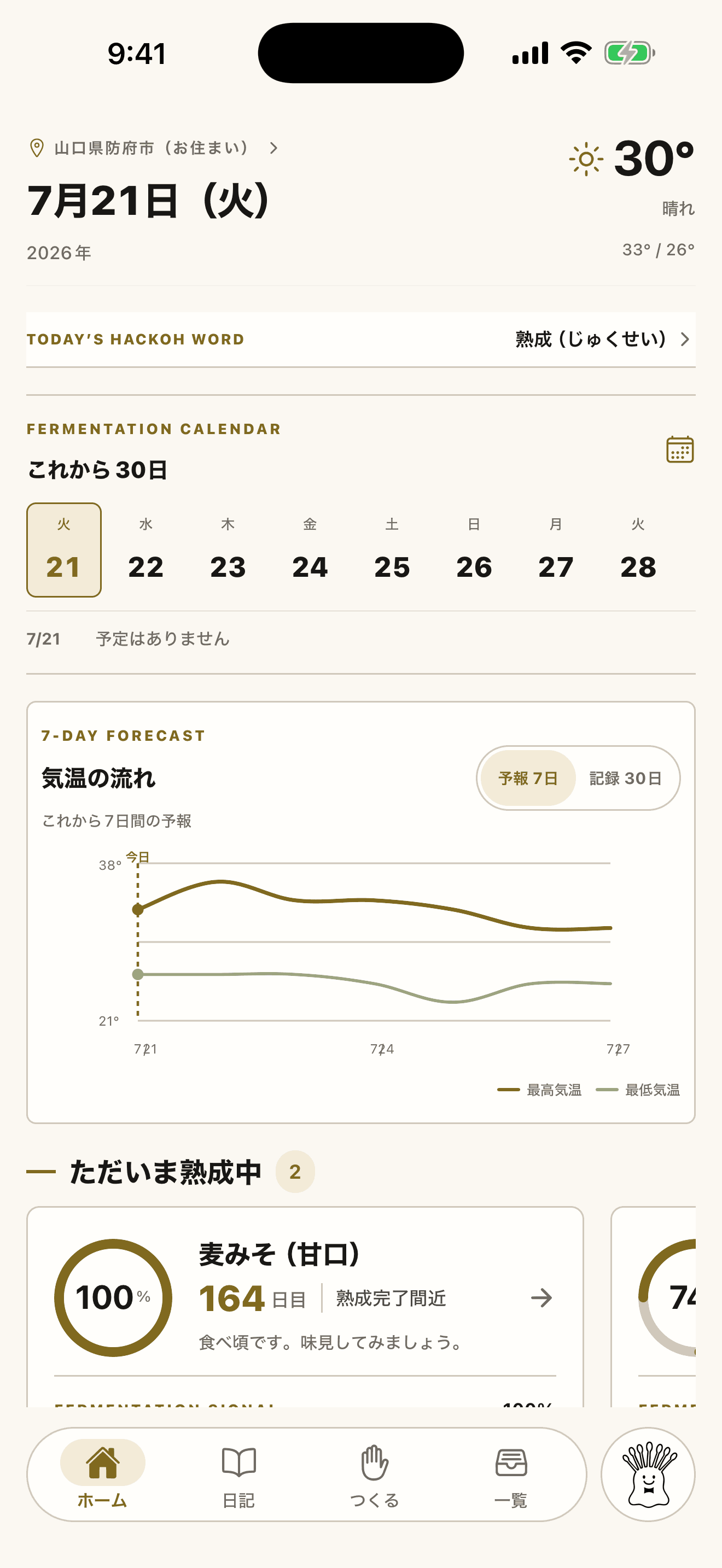

Scan the QR code to download the Hackoh app
Coming along nicely.
Scan the QR code to download the Hackoh app
Make it. Grow it. Taste it.
Hackoh treats fermentation not as a fond old tradition, but as a living bioculture of the present — something you can observe, understand and design. Hackoh is made by Mitsuura Jozo, a miso and soy sauce brewery in Yamaguchi, Japan.
Read about Hackoh →MAKE
Pick rice or barley miso, choose your koji ratio and batch size, and the recipe falls into place. Everything you need is in one list.
Make a classic miso (in Japanese)→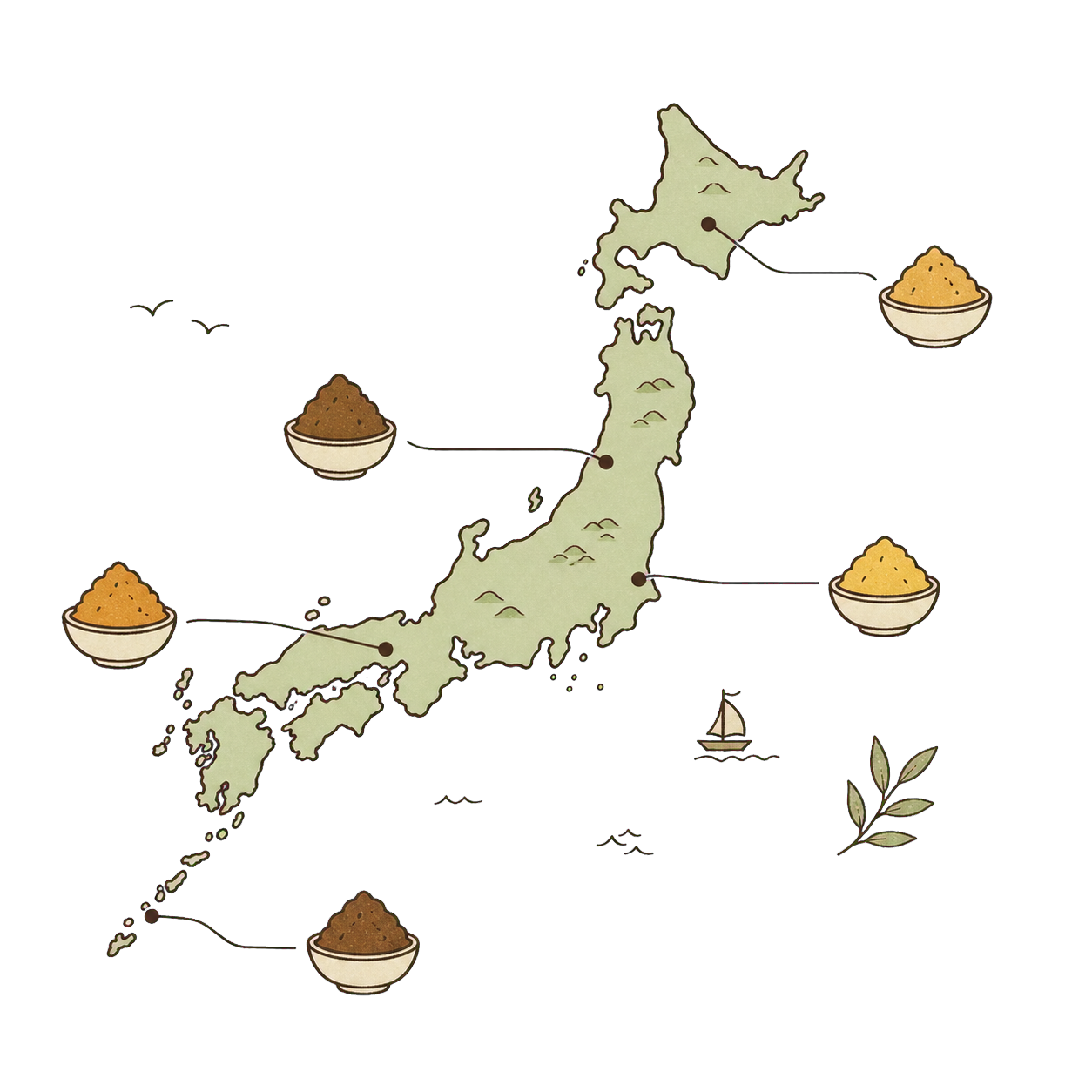
MAKE
Shinshu, Sendai, Saikyo, Setouchi. Use the ratios that grew up in each part of Japan as your starting point.
Choose a regional miso (in Japanese)→
MAKE
Combine proteins and koji freely, and design a fermented seasoning that exists nowhere else.
Start a Hackoh craft (in Japanese)→Before you make anything, and all through the waiting. From the plainest question — what is fermentation, really? — down to molecules and numbers. Start wherever you like. All five series are available in English.

“So what is fermentation?” Mugi and Hakkoh-chan pack a miso, wait half a year, and open the tub. Three minutes an episode. If the science feels heavy, start here.
Read with Mugi →LEARN 01 — BASICS
From knowing nothing about fermentation to packing one miso with confidence. Six chapters, meant to be read in order.
Read the basics →LEARN 02 — DEEPER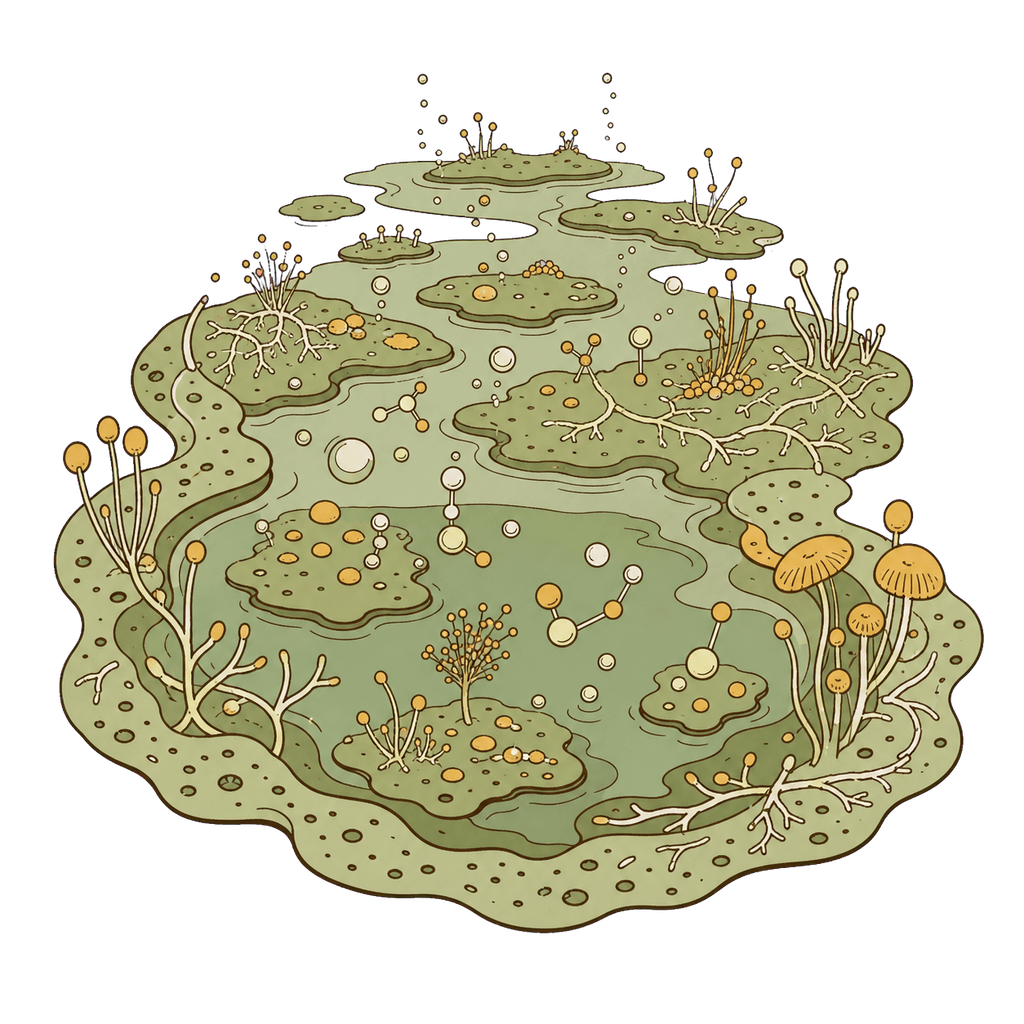
Enzyme kinetics, shifting microbial casts, aroma molecules, designing for safety. Fermentation seen once more, through molecules and numbers.
Go deeper →LEARN 03 — WIDER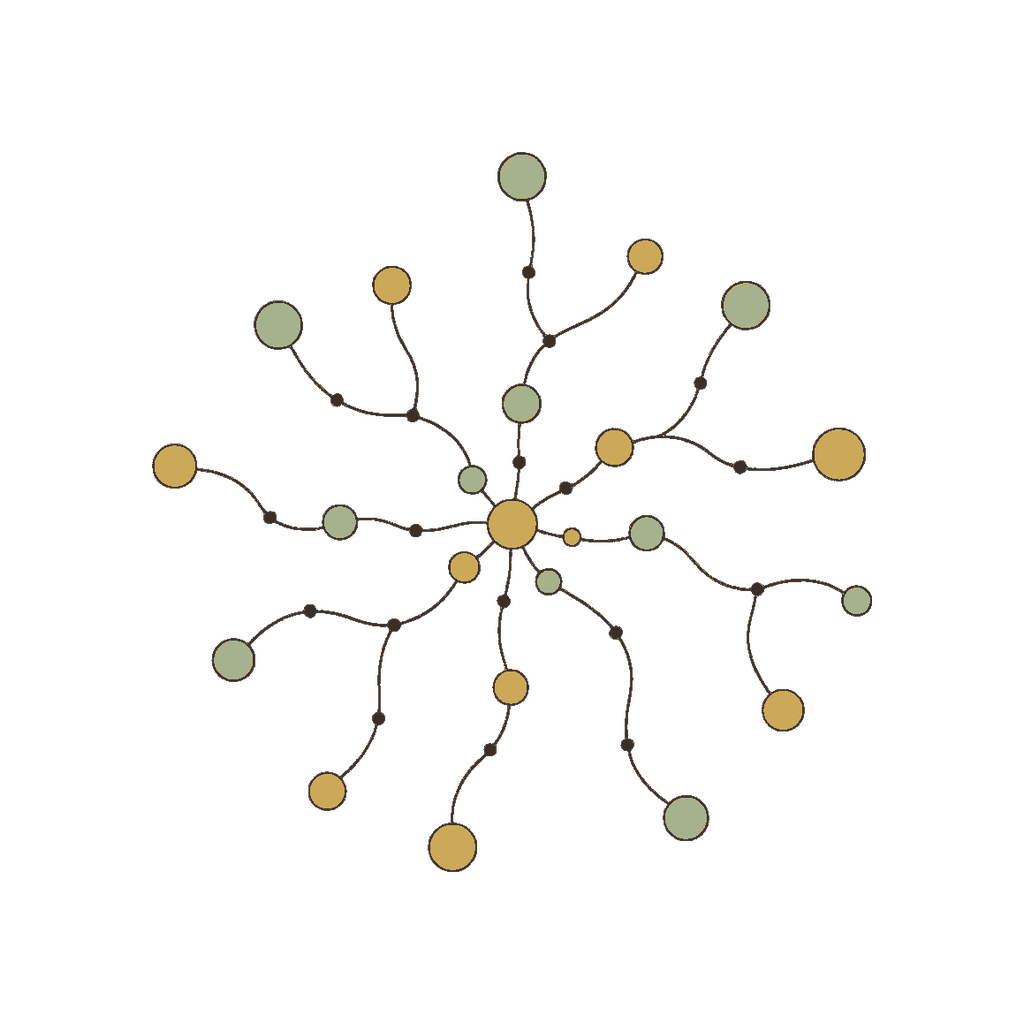
How one principle split into regional styles across Japan, took other shapes around the world, and how far back it all goes.
See how far it goes →LEARN 04 — GLOSSARY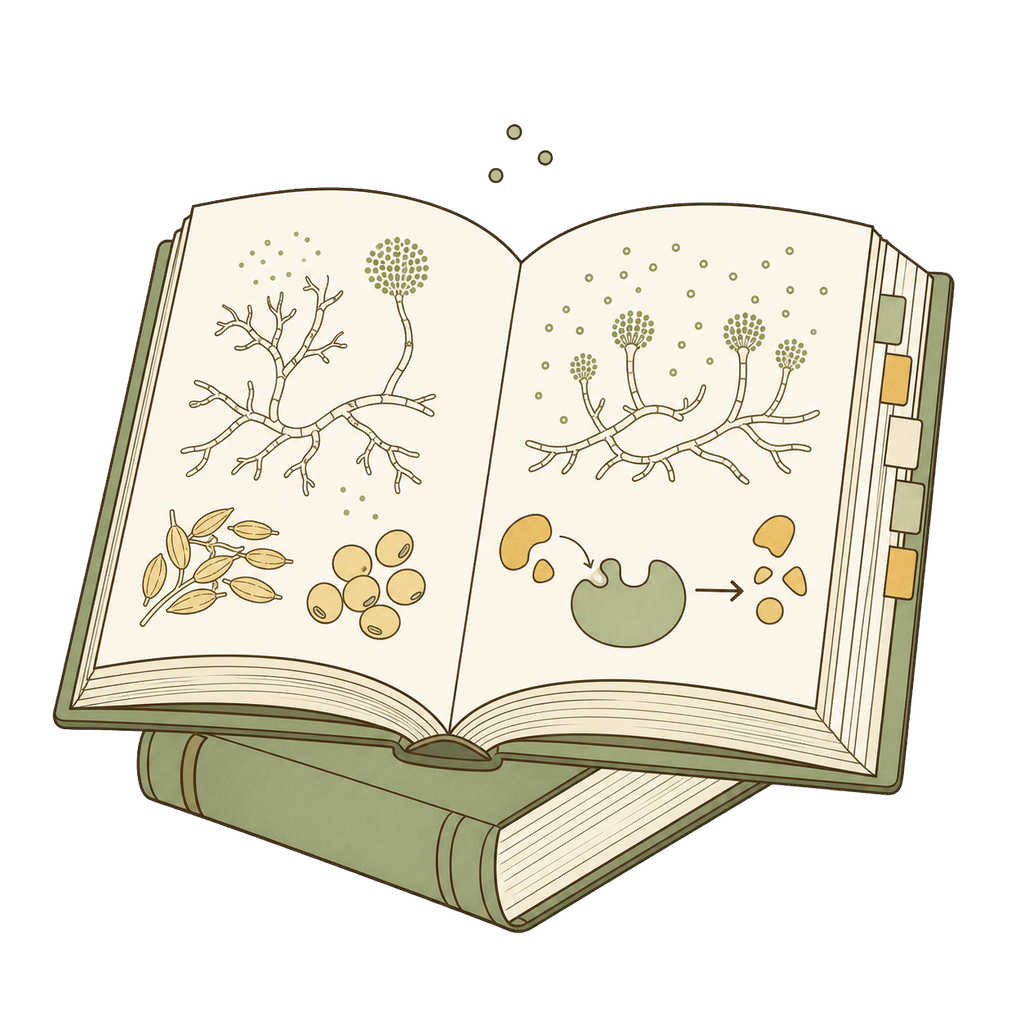
Look up the words of koji, enzymes and fermentation. Nearly 500 entries, for whenever a term stops you mid-sentence.
Look a word up →Cultivate
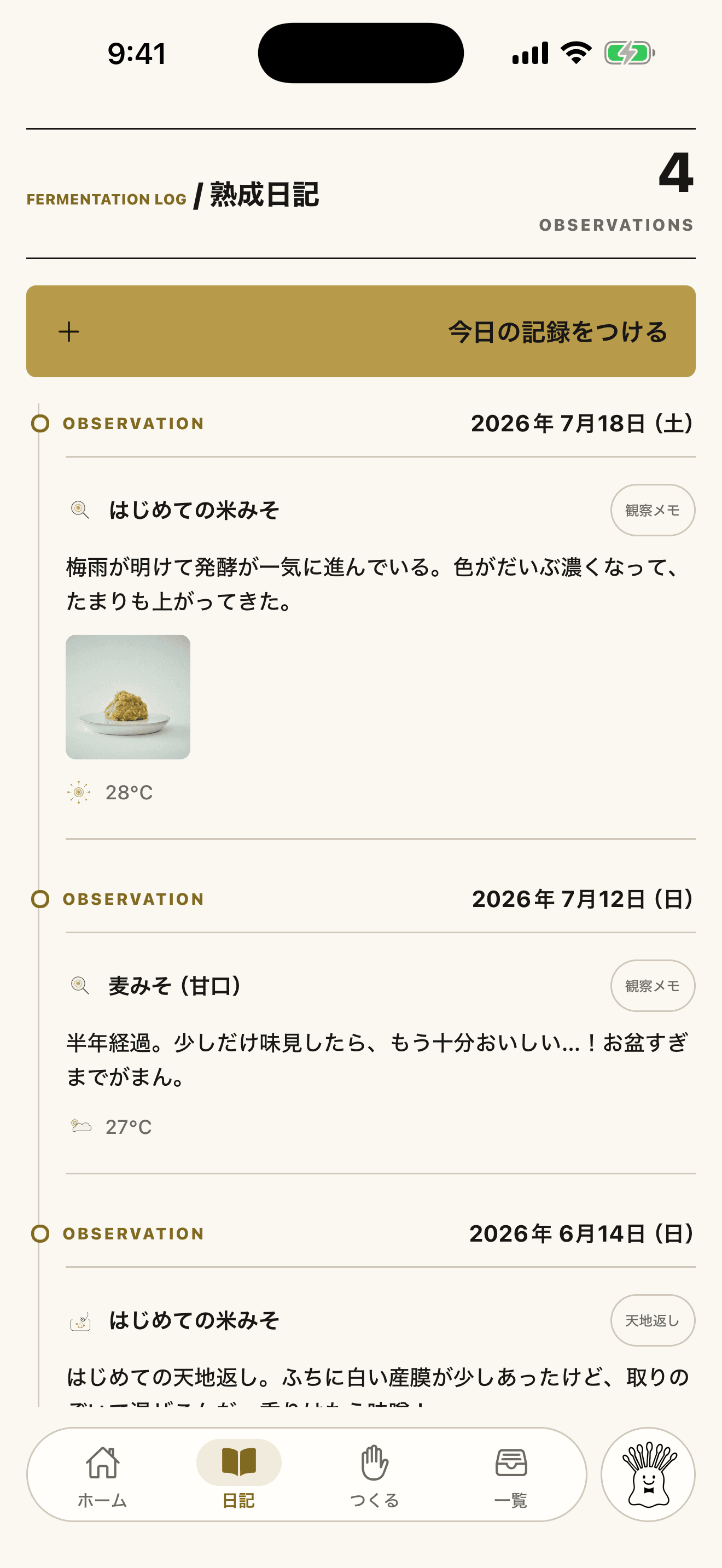
Temperature, days, photographs, aroma, texture. Ordinary observations, gathered one by one, with Hakkoh-chan beside you and no reason to rush.
Keep a log in the app (in Japanese)→Taste
Young and bright, or deep and matured — both are ripe. The data points the way, but the last call is made by your own tongue.
Learn how to taste it→HACKOH APP / FERMENTATION COMPANION
Before you make it, while you wait, and when you finally eat it. Hackoh is an app for enjoying the whole stretch of fermentation time.
Download on the App Store ↗More about the app →NOW AVAILABLE — out on the App Store for iPhone and iPad. The app is in Japanese (Android in preparation).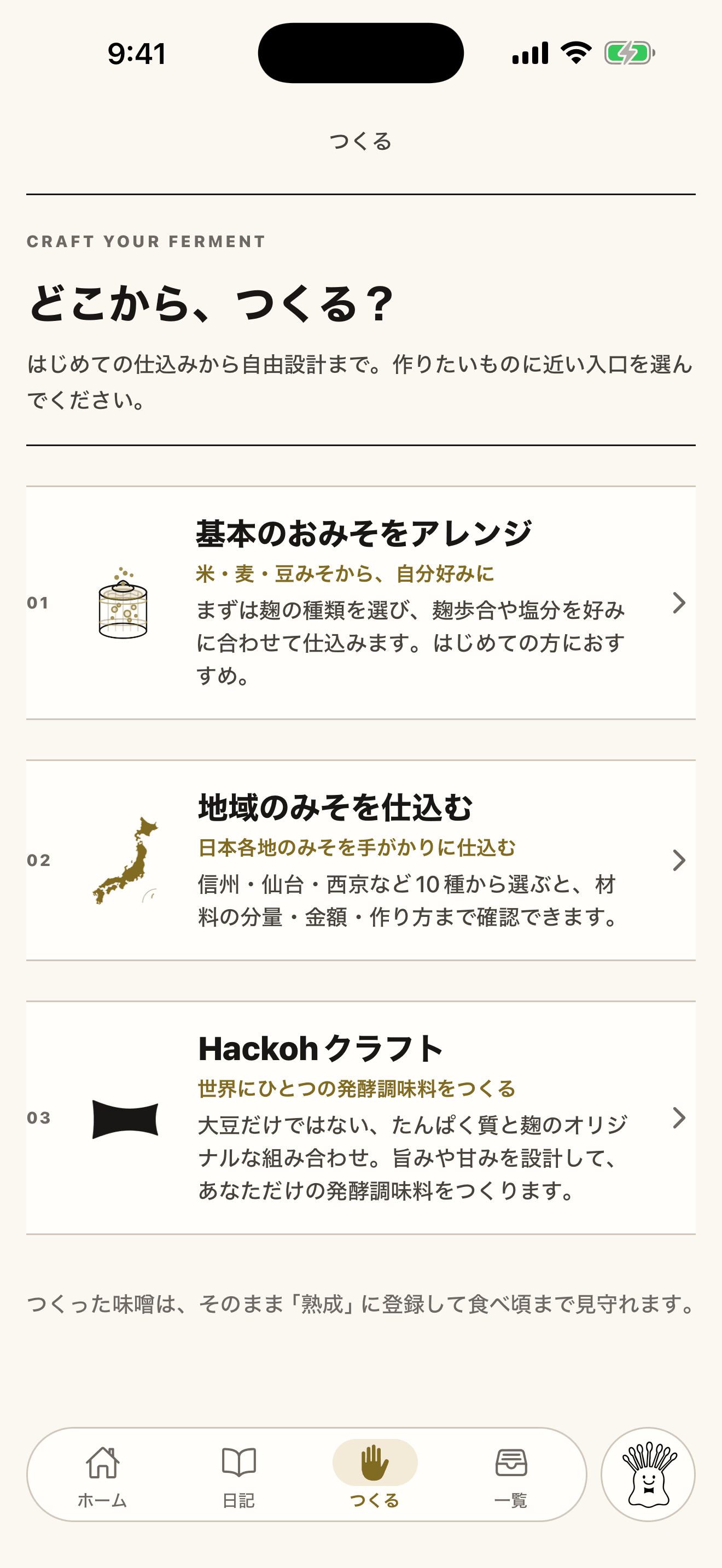
01DESIGN
Choose the style and the amount, and the app lays out the koji, soybean and salt. Even on a first attempt, the batch is yours.
→02OBSERVE
Photographs, aroma, color, taste, the temperature of the room. The more you keep, the clearer your own household’s fermentation becomes.
→03FORECAST
From your fermentation data, the app projects how maturity is progressing, and looks with you for the moment your favorite flavor arrives.
→04TALK
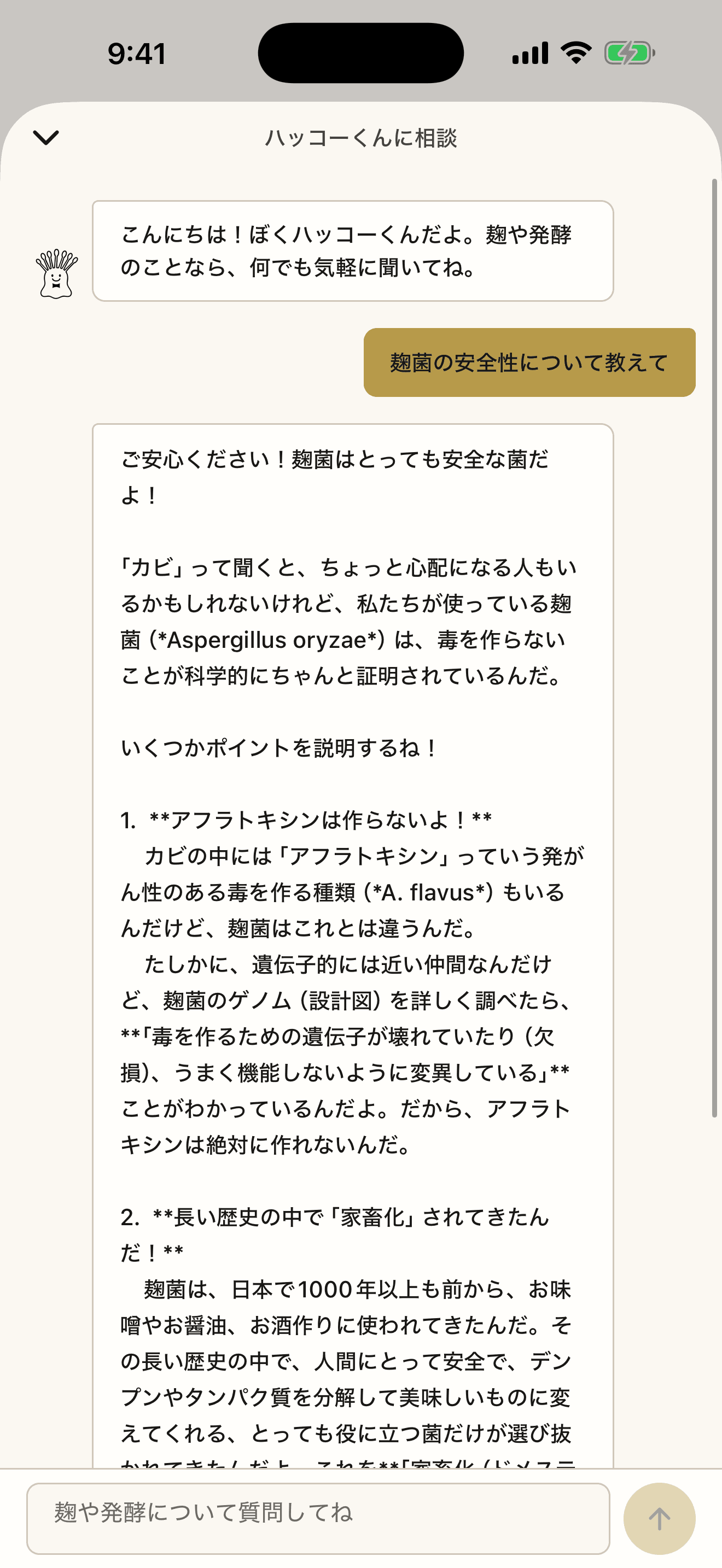
Worried about the color on the surface, or a smell you did not expect? Hakkoh-chan looks at your photos and your history, right there beside the ferment.
→
FERMENTATION IS ALIVE.
The app is out on the App Store, free — it keeps the record after you brew. The app itself is in Japanese; everything under Learn Fermentation is open in English.Download on the App Store ↗About the app →